Category: Moshi Method

  • The Architecture of Peace: A Dialogue Across Generations at the Museum of the Army

    Under the golden dome of the Hôtel des Invalides, History doesn’t just sit behind glass; it interrogates you. It was within these monumental walls, surrounded by centuries of heavy stone and the artifacts of the Museum of the Army in Paris, that we gathered a cohort of international children for a MOSHI workshop.

    The question we brought with us was deceptive in its simplicity: What is Peace?

    To help us untangle it, we didn’t look to textbooks. We looked to the collection of the Musée de l’ Armée Hôtel des Invalides, and we looked to someone who had lived through the very antithesis of the question: a grandfather who had served in the elite French Green Berets “The Commandos Marine”.
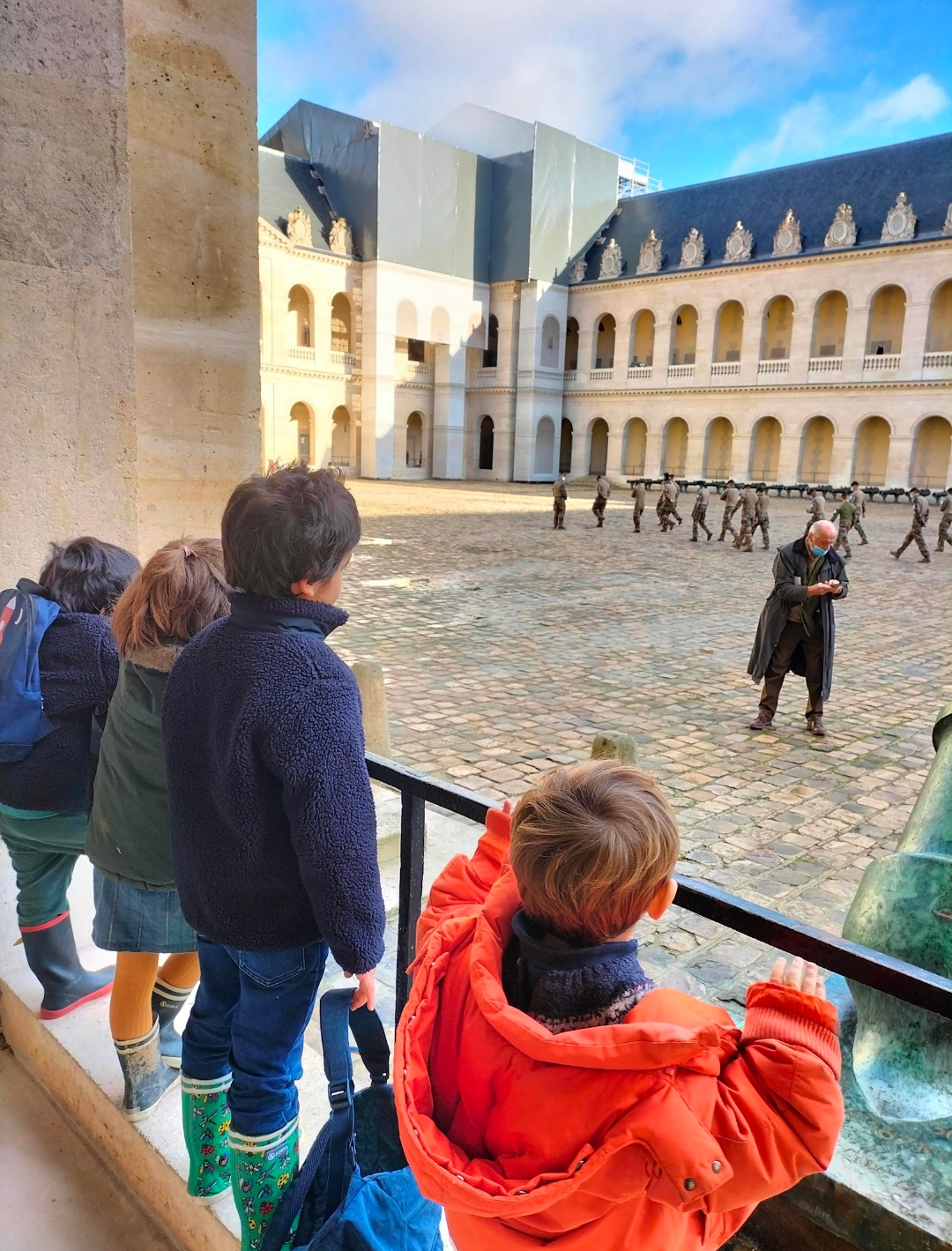
    Moshi workshop: What is Peace?

    The Weight of the Past

    Our journey began among the grand narratives of human conflict.

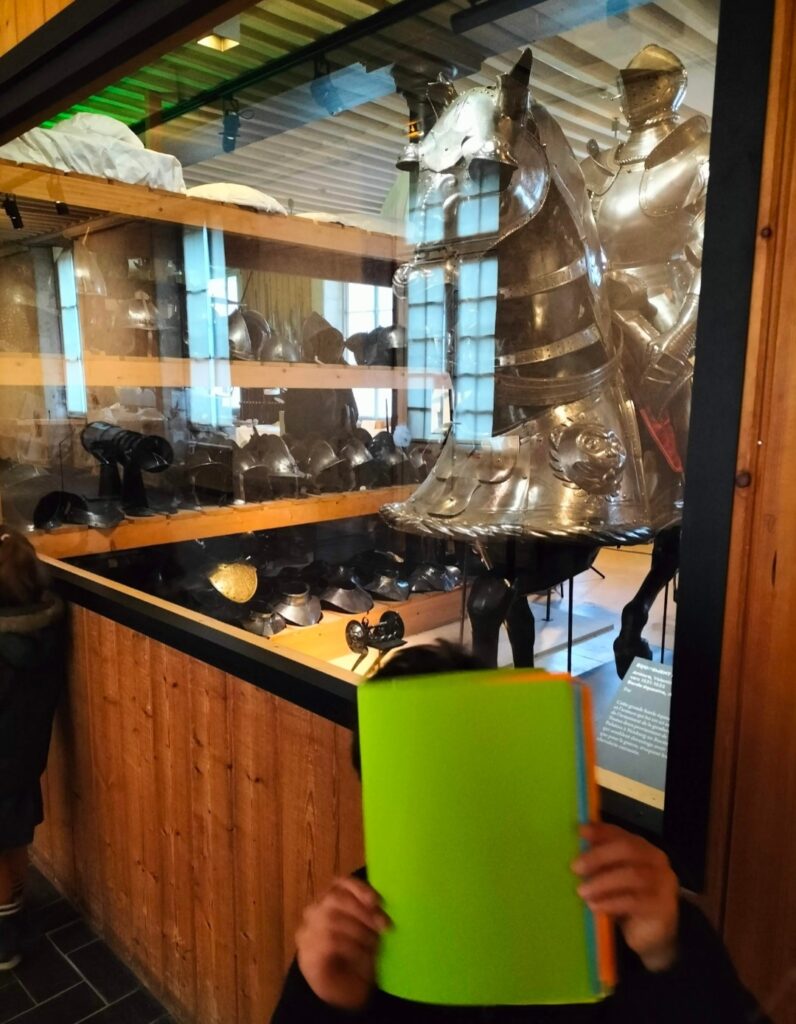
    The children stood before the towering, intricate steel armors of medieval knights, moving sequentially through time to the precision-crafted weapons of the Napoleonic era.

    At first glance, a museum of the army looks like a monument to war. But as the children studied the archival pieces, a deeper realization emerged. These heavy breastplates and polished sabers weren’t just tools of aggression; they were also the stark, physical testaments created by men and women trying to protect their homes, their families, and the hard-won peace of their nations against invaders.

    The grandfather stood with them, a living bridge to that History. Looking at the machinery of combat, he spoke to the children with absolute candor.

    He didn’t romanticize the uniform. Instead, he shared the quiet, heavy truth of a man who had seen the front lines: war is an atrocity, a profound human failure, and his greatest hope was that none of the children standing before him would ever have to experience its reality.
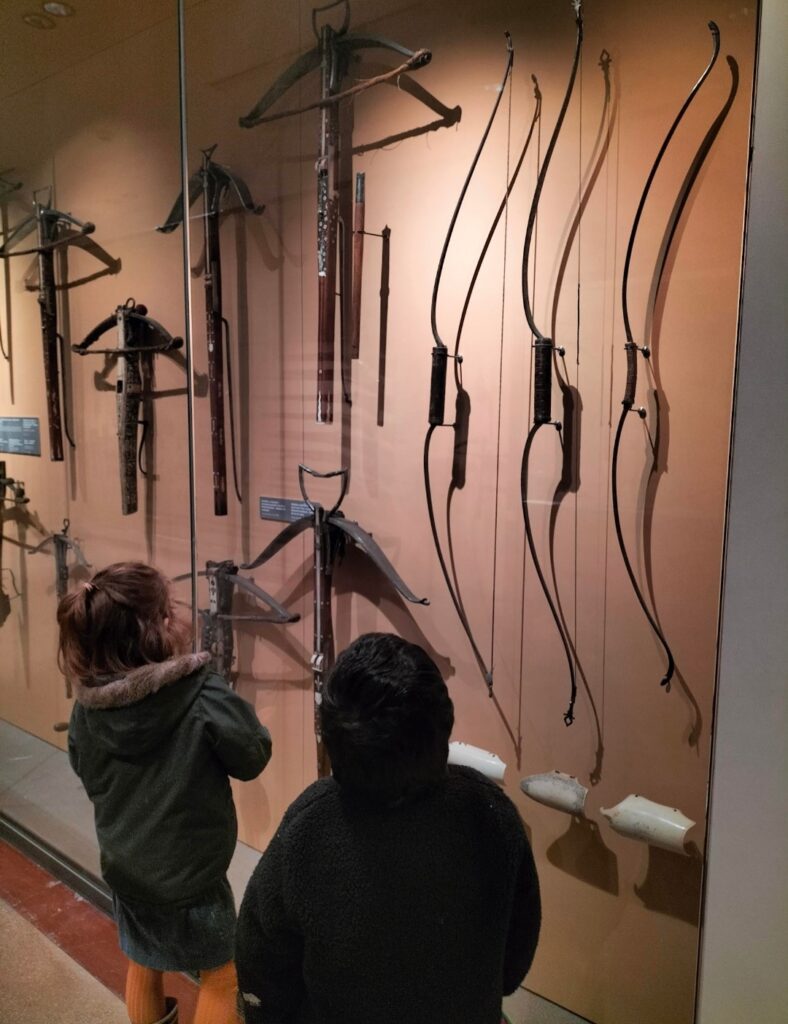
    The Studio: Micro-Conflicts and Crayon Diplomacy

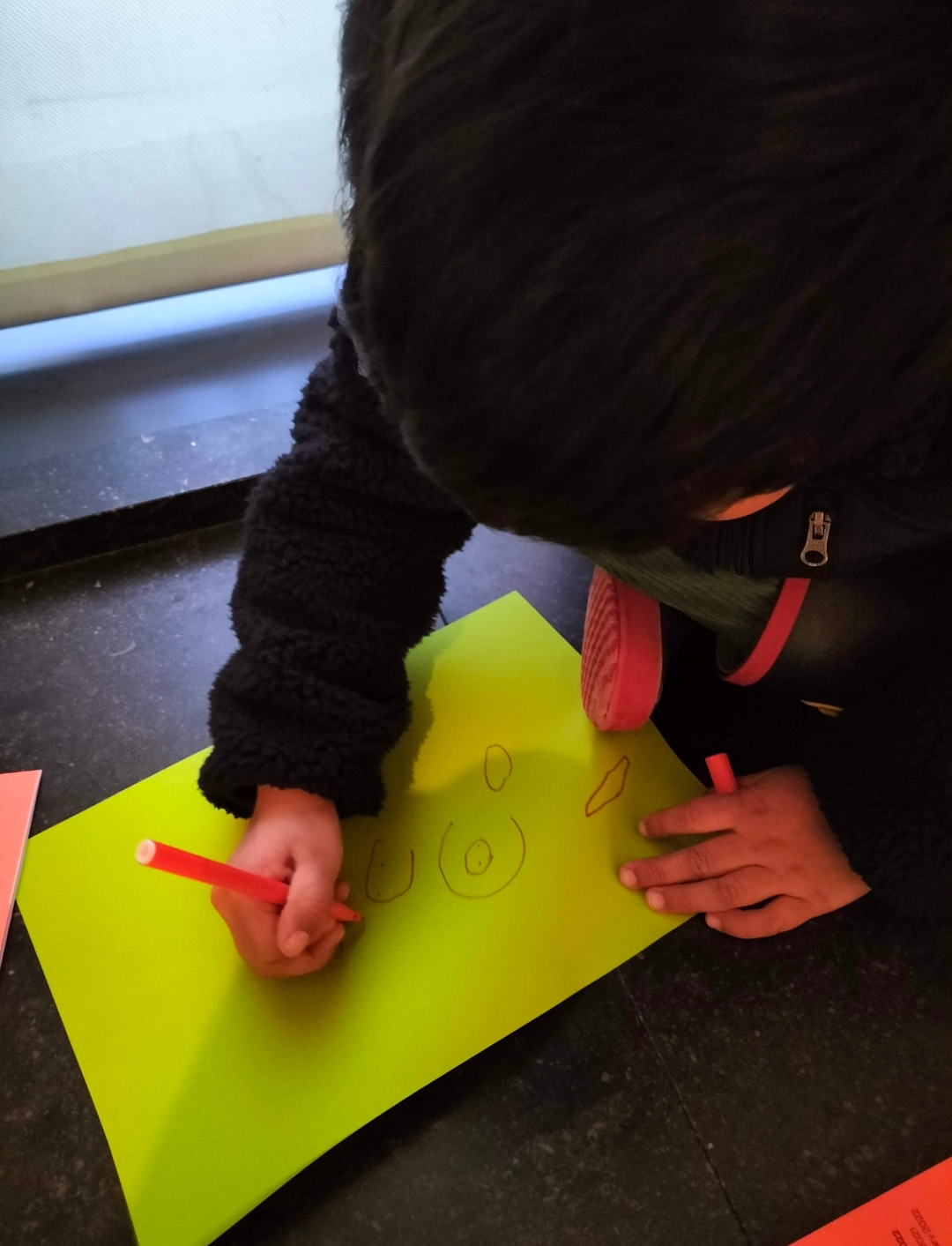
    To ground these massive concepts of global conflict and veteran testimony, we transitioned the children into the active, creative core of the MOSHI Method. We asked them to pick up crayons and markers, to draw the history and feelings they had just absorbed, and to collaborate.

    But we introduced a constraint: they had to share the tools.

    Human nature, whether in a geopolitics board room or a museum atelier, is remarkably consistent. Within minutes, micro-frictions sparked. Sibling rivalries flared. Two children wanted the exact same crimson marker at the exact same moment. Voices escalated.

    A miniature war of ownership was brewing. Instead of stepping in as authoritative judges, the MOSHI facilitators paused. We turned to the rest of the cohort. We asked the other children to step in, look at the dispute, and help their peers navigate the conflict.
    The Birth of Diplomacy

    What followed was a beautiful, emergent masterclass in human relations.

    Left to co-create a solution, the children began to negotiate. They established a system of sharing, negotiated time-limits, and bartered colors. They didn’t just resolve a fight over a crayon; they discovered, entirely by themselves, the foundational mechanics of international diplomacy.

    By the end of the session, when we asked the children to define Peace their answers had transformed. It was no longer an abstract, global concept. It was intimate, local, and actionable:

    “Peace is being a nice person.” L. 5 years old

    “It means not getting angry just because we disagree or want the same thing.R. 6 years old

    Inside a monument built to honor the warriors of the past, a new generation realized that Peace isn’t just the absence of war: it is a daily, creative practice of empathy, sharing, and self-regulation. They walked out of Les Invalides not just with a better understanding of history, but with the personal blueprints to build a more harmonious future.
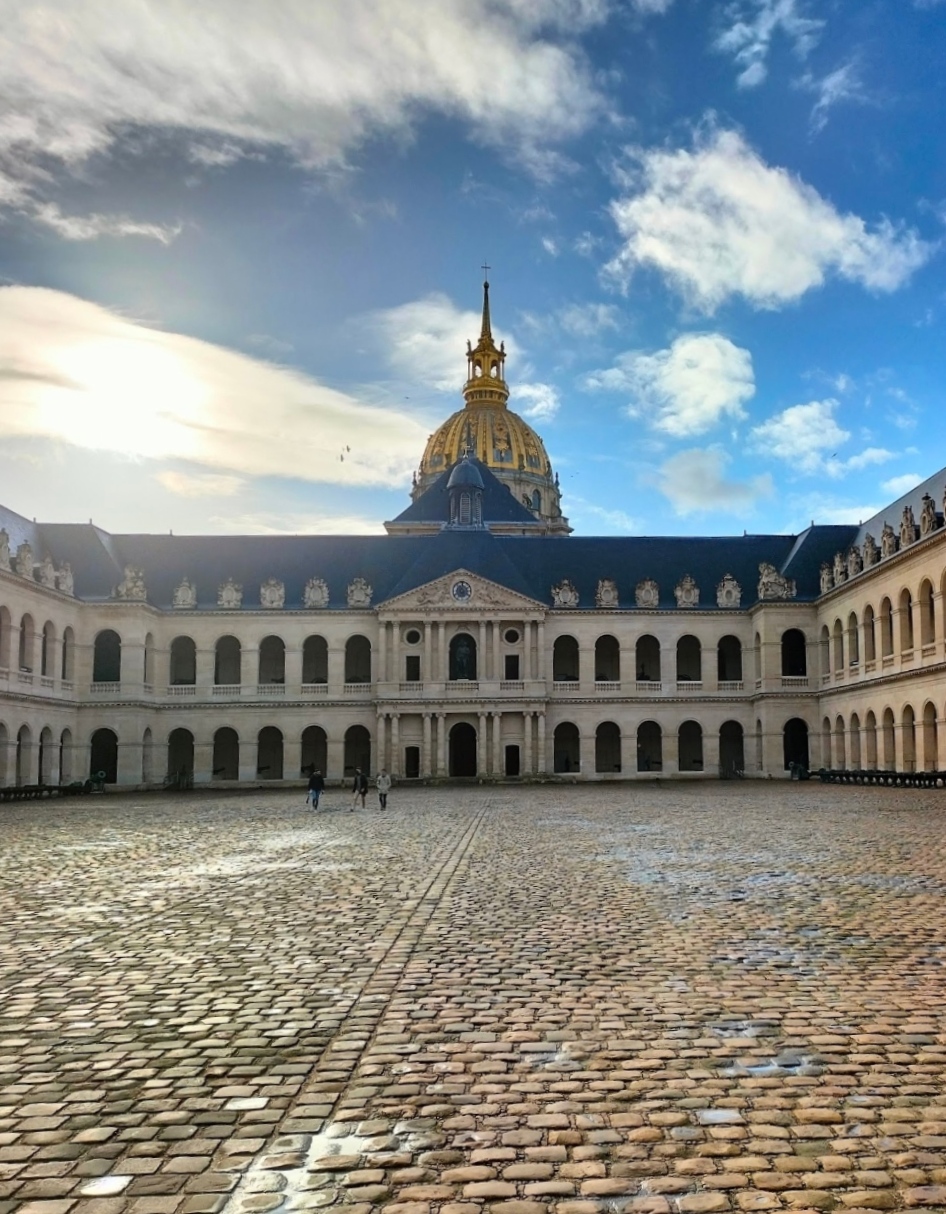
    Moshi workshop: What is Peace? At Museum of the Army Hôtel des Invalides, Paris
  • A Recess Reimagined: Defining Community in Motion

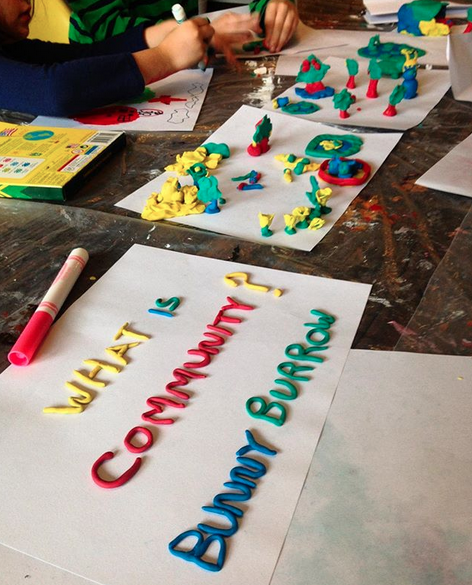
    As humans are social animals, we wanted to use stop-motion filmmaking to teach children the philosophical principles of economy during the MOSHI camp in Long Island City, NY. The philosophical question of the last day was: what is community? The debate took place while participants wrote the screenplay about bunnies and bears fighting for the same territory.

    Moshi workshop: stopmotion filmmaking

    Bunny Burrow

    A screenplay written by Children

    The Bunnies and the bears had a quarrel. The bears said:

    – We have more power than your small community of rabbits. So why don’t we own Bunny Burrow and call it Bear Burrow? 

    – Why do you think we would give up our Bunny Burrow? We discovered the land first, we cleaned it and we claimed it. Why do you think you wouldn’t agree?

    – Because we are bigger and we can lift almost anything.

    – Smaller is better because you can fit almost under anything.

    The bunnies and the bears decided to split the land in half. The bunnies’ cut was the snakes and the pond. The bears’ cut was the squirrels and the plants. But the bunnies were always crossing on the bears side, and the bears were always crossing over the bunnies side.

    At one point the bunnies missed the plants, and the bears missed the pond. And instead they agreed they should become a whole big community and respect each other. Indeed everything in this world has its place for a special reason.

    The children were clearly inspired by Ralph Waldo Emerson’s fable the Mountain and the Squirrel, which they were introduced to at the start of Moshi Camp.

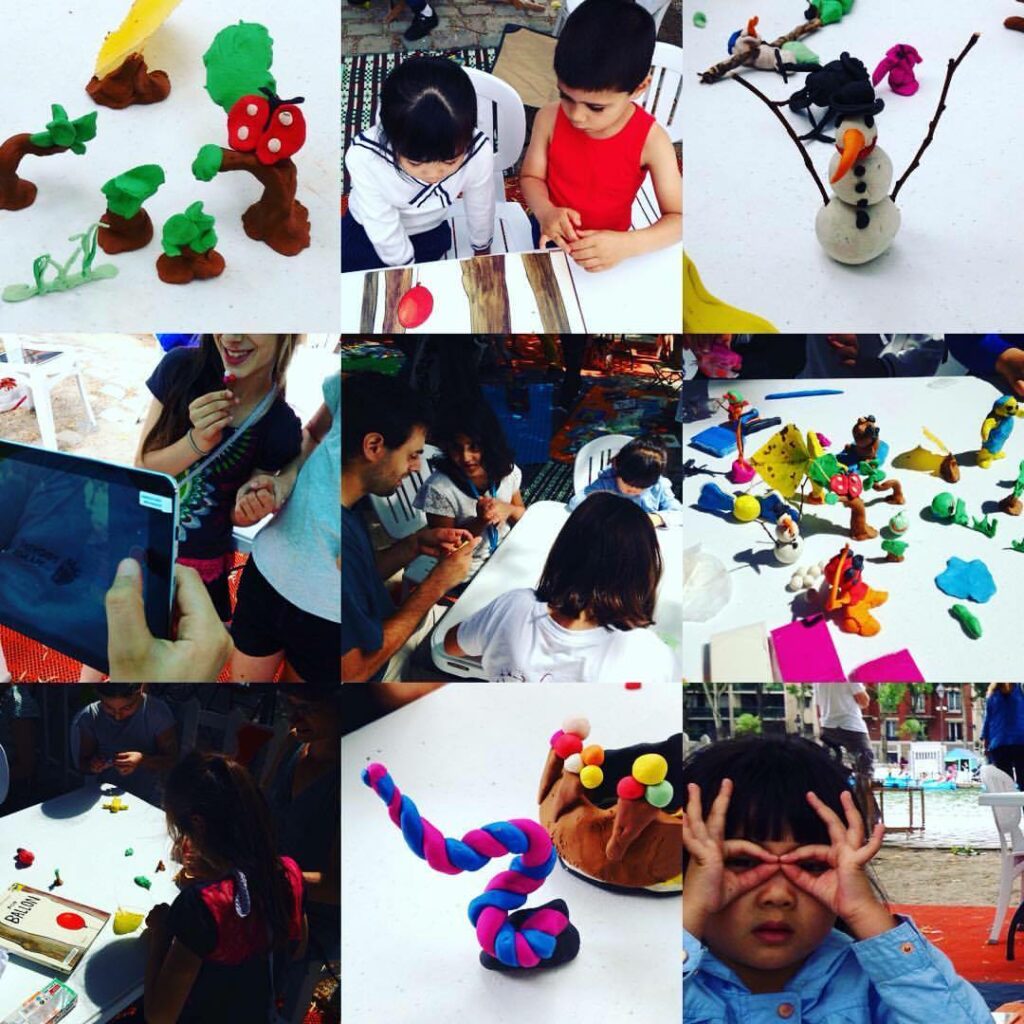
    Moshi workshop: learning economy with playdoh

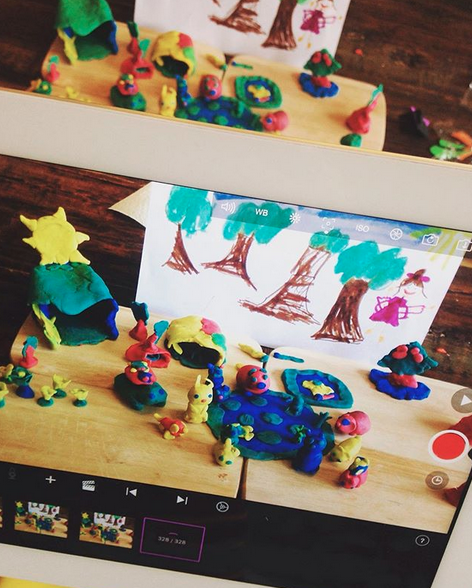
    The final artwork was a collective one, meaning they had to share the same limited resources in order to build the setting and make the characters of their stop-motion film. The limited resources were 10 boxes of playdoh, each containing a specific color. The Moshi educator was the central bank, distributing pieces of playdoh to children under the condition that they say please and thanks. They were asked to share their pieces of playdoh between them, in that sense they could visualize what barter means and what is economy.

    The essay was originally published in the collective book “Growing Up With Philosophy Camps. How Learning to Think Develops Friendship, Community, and a Sense of Self” (ed. Claire Katz), Rowman & Littlefield, 2020.

  • A Recess Reimagined: The Story of MOSHI Camp New York

    The Moshi philo-artistic camp in New York took place in Long Island City during the 2018 school recess. Long Island City is a New York middle-class neighborhood located in Queens with a magnificent view on Manhattan.

    Children participants went to public schools attending a multitude of after-school activities. The participants had various ethnic and religious backgrounds: Southeast Asian Agnostics, South-American Catholics, East European Jews, East Asian and European Christians and Agnostics. The average was 7 participants a day, from 5 to 9 years old. 

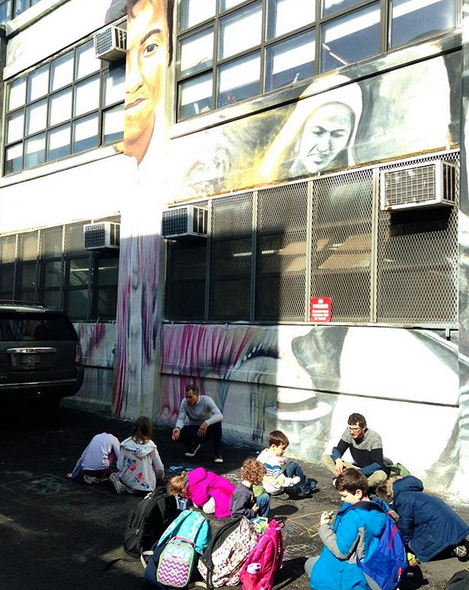
    Moshi Workshop: from discovering neighborhood street art to defining respect in chalk

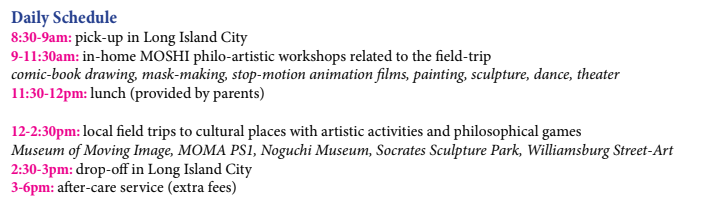
    The activities were conducted indoor and outdoor. Families offered their home or the playroom in their condominium. From Monday to Friday, 9am to 3pm, children could play, debate, discover their neighborhood, visit local museums and make artworks based on a daily philosophical question: What is nature? What is respect? What is identity? What is art? What is community? 

    In the New York City camp, Friedrich Nietzsche’s mustache 🥸 was also used as a face make-up to symbolically empower children. However, we started the camp with Ralph Waldo Emerson’s philosophical ideas in order to help them transcend their pragmatic thinking into artworks:

    “Do not go where the path may lead, go instead where there is no path and leave a trail.” Ralph Waldo Emerson

    Children started the camp by role playing the Fable the Mountain and the Squirrel. They were asked to analyze the story problematized with Socratic questioning led by Moshi educator. In a world where it seems difficult for adults to find their place, we wanted to tackle the individuation problem as early as possible.

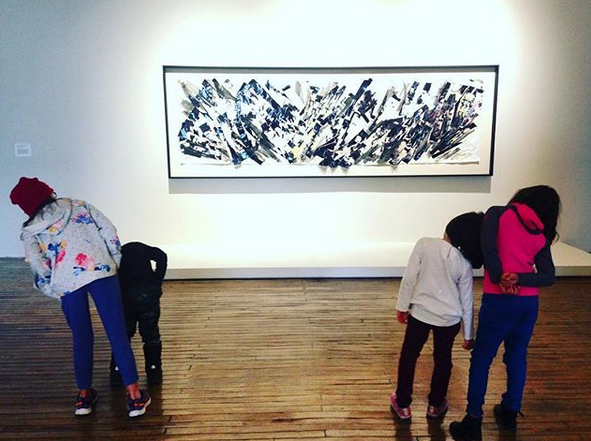
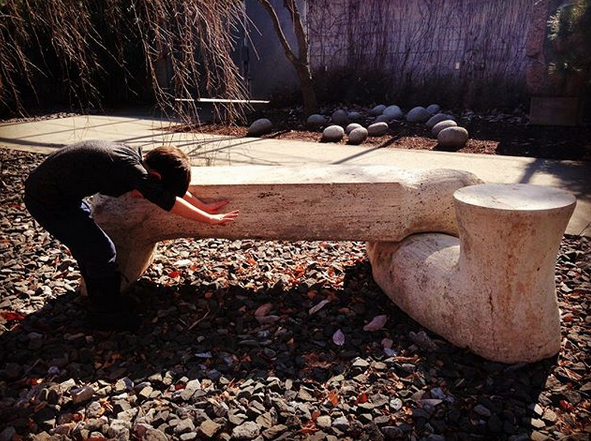
    Following Carl Jung’s hero journey, we brought participants to discover their neighborhood in creative manners. The objective was for them to inquire into their surrounding world to start building their true self. At MoMA PS1 and Noguchi Museum, children could directly interact with abstract thinking through modern and contemporary artworks. They were asked to mimic abstract work of art. It allowed them to directly feel through their body what they were seeing. Therefore it helped them for philosophical reasoning and self-discovery.

    Moshi Workshop at MoMA PS1

    “Artists keep the world together by making amazing things that express people’s feelings. Artworks show the world how you feel about what’s happening” A., 9 years old

    Moshi Workshop at Noguchi Museum

    “Art gives sense to what seems nonsense” S., 9 years old

    The essay was originally published in the collective book “Growing Up With Philosophy Camps. How Learning to Think Develops Friendship, Community, and a Sense of Self” (ed. Claire Katz), Rowman & Littlefield, 2020.

  • A New Era of Wonder: Shaping MOSHI Vision

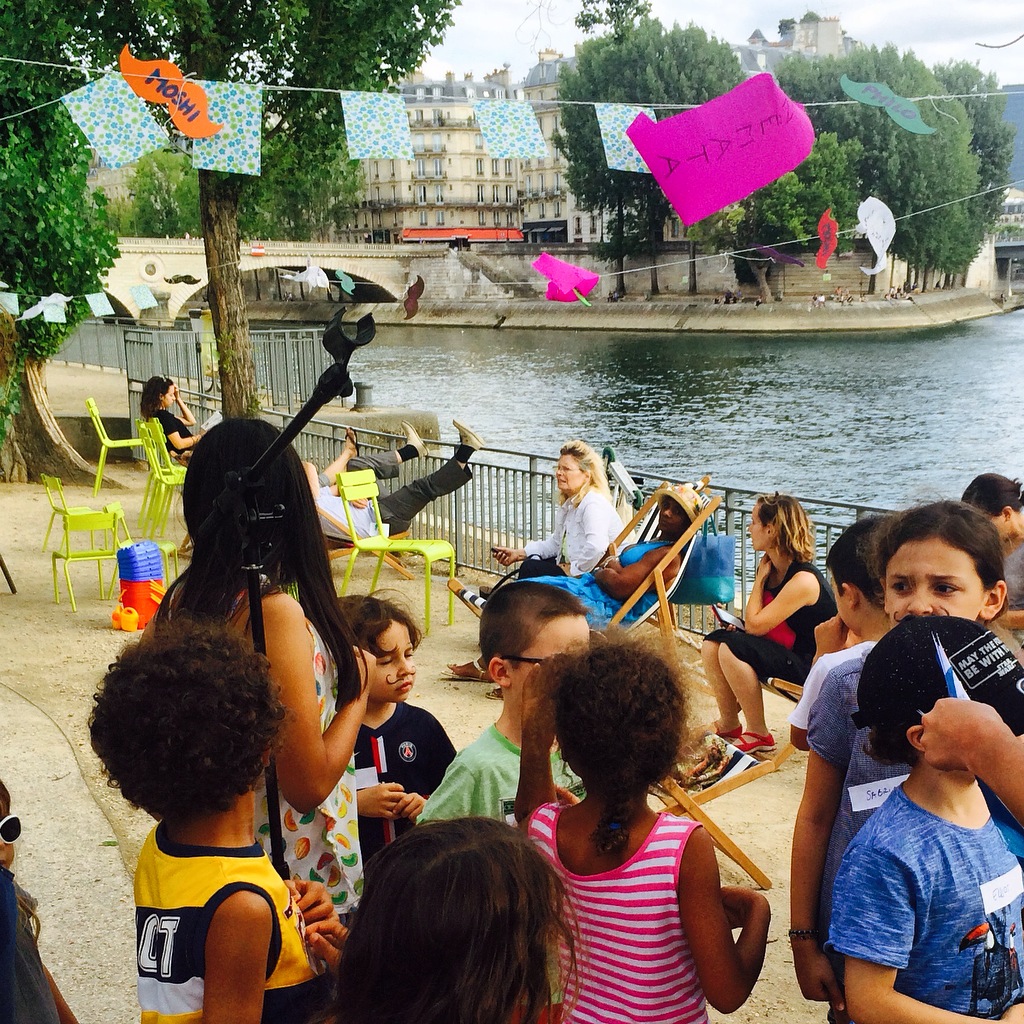
    When we launched MOSHI in 2015, the lack of attention and memory impairment in digital native population was one problem we wanted to tackle. Therefore, improving brain memory plasticity was very important. During our workshops at Paris Plages, participants were asked to summarize or formulate in their own way what was said before. It helped to develop active listening and empathy. This technique became a standard for facilitating Moshi debates.

    Another key dimension of the MOSHI Method was built during the summer of 2015: starting the debate from facts to generate theories. Children always begin their discussions by sharing facts from their daily lives. By asking Socratic questions, Moshi educators help them analyze these lived experiences and, in turn, formulate theories. We called this educational method the stair methodology, based on inductive thinking. Then, from constructed theories, participants used artmaking as a means to return to practical ideas based on deductive thinking.

    The third part of the workshop was the production of artworks as answers to the philosophical question. One activity was the use of mixed-media: traditional tools (papers, pencils, markers, playdoh) with digital device (stop-motion app on tablets) to express ideas discussed before in creative ways.

    In terms of social learning, we promoted peer-to-peer method. Children helped each other to overcome what they did not know.

    To achieve the production of an artistic piece such as stop-motion required patience, focus and inventivity. Most of the participants had never made one. Learning this new creative technique in one hour was also a practical challenge. One question posed was how could the exchange of philosophical ideas about surpassing oneself help to increase “productivity” learning? 

    In agreement with Ludwig Wittgenstein’s and Jacques Lacan’s philosophy, we believe that words can be very powerful. To verbalize difficulties encountered in everyday life and then problematize those issues through the philosophical lens allowed children to have a bigger picture and alleviate their anxiety.

    From this larger frame, children could think outside the box in order to make their own piece of art. Like a toolbox, the philosophical debate helped them to shape their ideas into stories, characters, colors, and shapes moving all together to form a philo-artistic narrative. In groups of 3 to 5, they made paper animals, persons, and objects and wrote short screenplays, embedding their heroic ideas into cute, funny and witty characters that took on superpowers.

    Their imagination bloomed from their intellectual reasoning to answer philosophical questions. Indeed, thinking critically is a tool to develop children’s creativity. 

    In terms of emotional learning, we noticed that mimetism was the glue to build self-confidence through achievement. Daring to jump, to speak out loud, to articulate ideas with others even if they did not agree, and to make a creative piece with new tools were steps to self-satisfaction. Every participant was leaving the workshop with a big smile below their moustache. And they came back to participate in another workshop whenever they could.

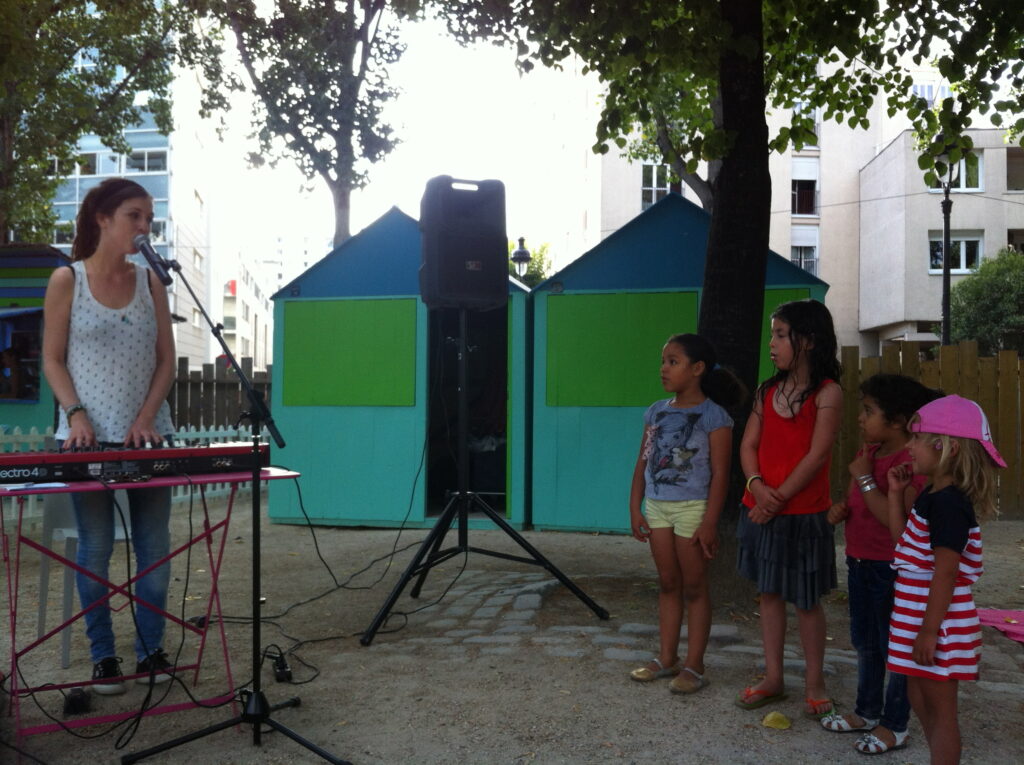
    Every day, during Moshi program at Paris Plages 2015, we invited musicians and professional dancers to perform and transmit their talent to children. The workshops were open to children from 5 to 12 years. Parents were allowed to help if they wanted. The average was 10 participants per workshop; equal mix of boys and girls. The participants were children from working class and middle class families with various ethnic and religious background: Agnostics, North African and Sub-Saharan Muslims, North African and Middle-eastern Jews, European Catholics and Christians, South Asian Hindus. As the Paris Plages event is intended for Parisians who cannot afford summer vacation, the workshops were free of charge for the families.

    The essay was originally published in the collective book “Growing Up With Philosophy Camps. How Learning to Think Develops Friendship, Community, and a Sense of Self” (ed. Claire Katz), Rowman & Littlefield, 2020.

  • A New Era of Wonder: MOSHI Makes Its Parisian Debut

    When an idea blooms in the mind, it is a whole world that opens. The philo-artistic concept MOSHI was born from an audiovisual project for children that consisted of a series of short animations traveling with Fredo and Moshi 🥸 {aka Friedrich Nietzsche} and his moustache into world history through the lens of philosophical concepts. However, tragic social circumstances turned this project into interactive workshops where the heroes were no longer cartoon characters, but the children themselves.

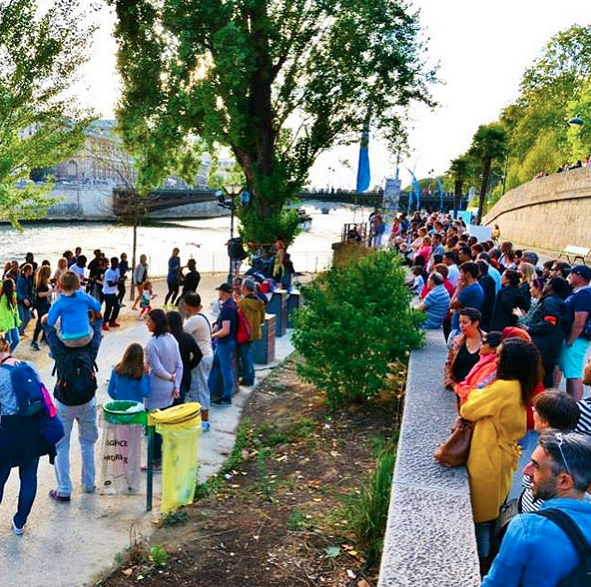
    The philo-artistic program started in Paris, France in summer 2015 as an answer to the Charlie Hebdo attacks. The mayor of Paris commissioned the first philo-artistic workshops to be launched during the annual summer festival event, Paris Plages (Paris Beach). It was necessary to alleviate children’s anxiety with play, arts and philosophy with Friedrich Nietzsche’s moustache used as make-up.

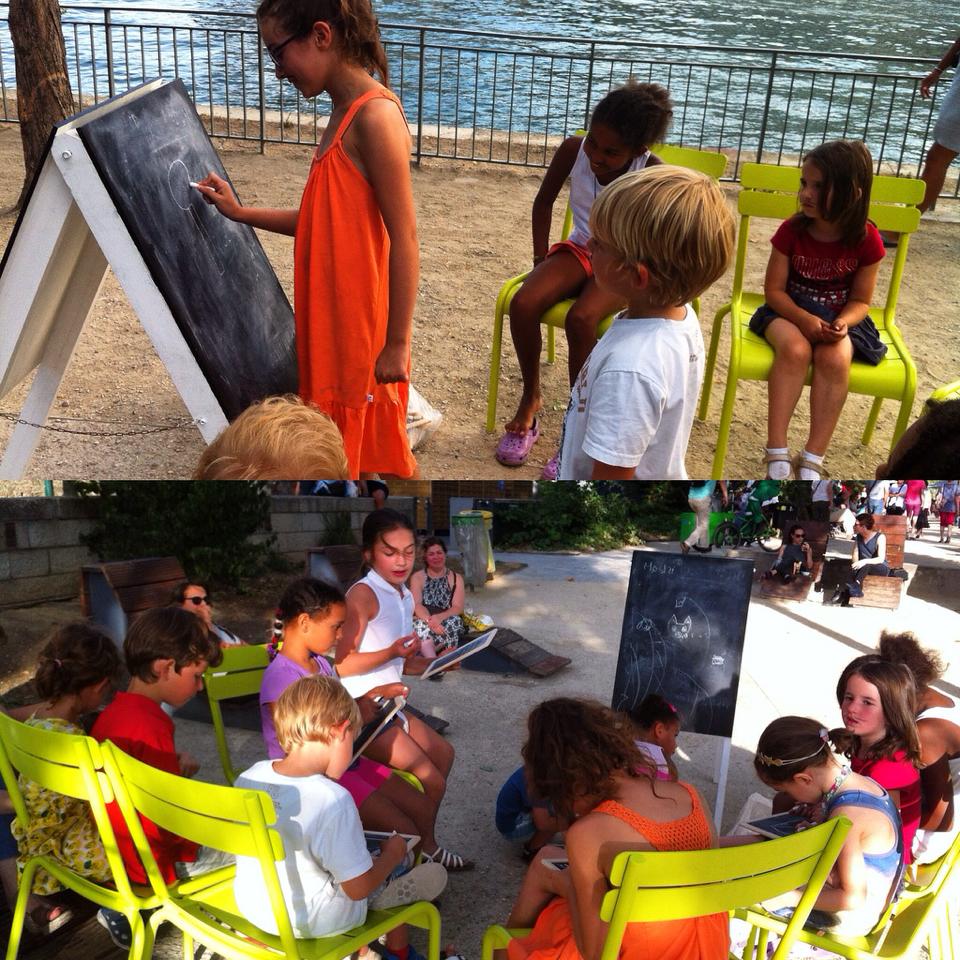
    For a month, two hours a day, seven days a week, children were invited to express their personal ideas based on a philosophical question that changed every day. The first question was: what is surpassing yourself? It referred to Gaston Bachelard’s quote written on a blackboard at the entrance of the workshop spot: “a man is a man to the extent that he is a superman. A man should be defined by the sum of those tendencies which impel him to surpass the human condition.”

    Moshi workshop at Paris Plages

    The workshop started with games: leapfrog, double-dutch, tug-of-war. As participants didn’t know each other, those games were a means to introduce them to each other in a fun way and gain confidence to speak out their ideas during the second part of the workshop. These games illustrated Friedrich Nietzsche’s philosophical concept that truth is embedded into the body, and helped children to verbally release it during the philosophical debate. The second part of the workshop was the philosophical group discussion based on the question of the day and the Socratic method led by the Moshi educator, with the use of a phenomenological magic tool: the microphone 🎤

    The use of the microphone was contingent to the environment — noisy outdoor setting along the Seine River — in order for the participants to listen to each other and the bystanders to hear what children had to say. The microphone revealed itself to be much more than an amplification device. It became a social-emotional tool 🎤 for introverted and timid children to speak out their truth. Based on René Girard’s mimetism, children who were too shy to speak at the beginning of the philosophical debate managed to surpass their fear of being judged by seeing and listening to others’ ideas.

    The philosophical debate grew richer in reflexive thinking because participants would develop 👂active listening in a noisy environment. The microphone would also grasp adult attention who would then stop to listen. The philosophical debate was an orchestra of ideas starting from very concrete daily life examples that progressively reached a melodious abstraction of intellectual questioning in order to attain some universal truths. Thus, the workshop became a live talk show run by little citizens and built self-confidence in participants:

    🎤Child 1: To surpass myself is to jump from the diving-board at the swimming pool, even if I’m very scared.

    Moshi Educator: What does it mean to be scared?

    🎤Child 1: It means not wanting to take the leap.

    🎤Child 2: It’s lacking courage.

    Moshi Educator: What do you think of being courageous?

    🎤Child 2: I think it’s good.

    Moshi Educator: Why do you think it’s good?

    🎤Child 3: Because it means that I’m growing-up.

    The essay was originally published in the collective book “Growing Up With Philosophy Camps. How Learning to Think Develops Friendship, Community, and a Sense of Self” (ed. Claire Katz), Rowman & Littlefield, 2020.